

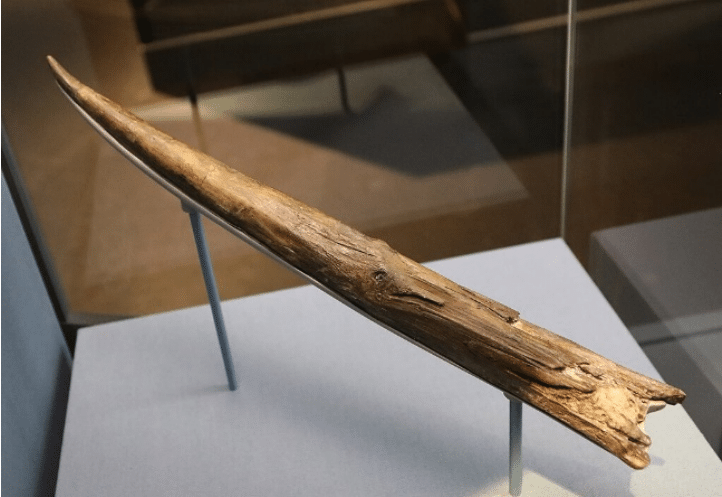
The time period is Middle Pleistocene Epoch ( around 4,00,000 years ago ) and the Earth is inhabited by Neanderthals and Homo Sapiens. Learning new ways to survive and hunt, these early humans create the Clacton spear, which is the oldest known implement forged through a technique that would later transform into the present day wood – carving. This timeless piece is proudly showcased in the Natural History Museum of London, a striking symbol of the human potential since time immemorial. Simply put, it is a reminder of man’s connection with nature since the very beginning of civilization.
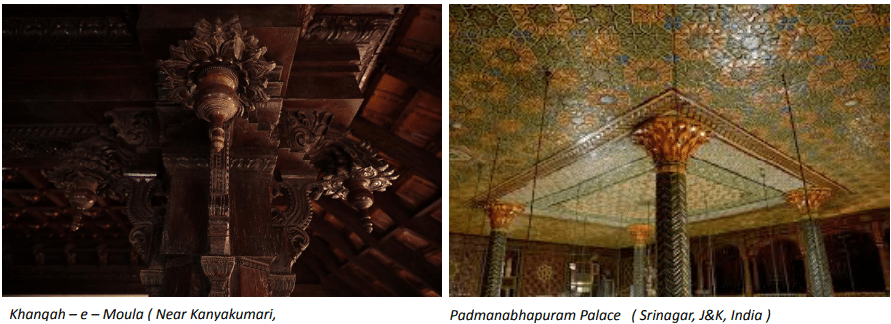
Wood carving ( also known as Nakashi ) is one of the earliest ways humans have used to express their emotions. It stands as one of humanity’s oldest and most enduring craft forms, where a simple block of wood is expertly persuaded to transform into a spectacular spectacle. Nakashi Art proudly represents the cultural heritage of India even today. From the Padmanabhapuram Palace near Kanyakumari, which is considered to be the largest wooden palace in Asia, to the Khanqah – e – Moula of Srinagar, one of the oldest Muslim shrines in Kashmir, showcasing an intricately ornate wooden structure – one can witness how this craft has evolved while maintaining its essence across millennia.
Nakashi Craft – Carving a Way Back to the Roots
Nakashi is one of the most elegant traditional wood carving techniques in India. It flaunts intricate patterns, fine detailing, and is often combined with painted or gilded finishes in some parts of India. Over the years, artisans have adorned furniture, tombs, and temples with intricate carvings that tell stories about cultural beliefs and preserve their skilled craftsmanship. Wood’s versatility has allowed it to be shaped into objects that carry profound religious and social meaning, establishing a long – lasting pattern of artistic expression.
In India, wood – carving represents not just an art form but a vital source of livelihood for thousands of artisans. Traditional communities have passed down specialised techniques through generations, creating distinctive regional styles that reflect India’s cultural diversity. From the intricate Kashmiri walnut wood carvings to the vibrant painted toys of Channapatna in Karnataka, these traditions embody centuries of artistic wisdom.
Wood – carving reminds us that beauty can emerge from the simplest and ordinary materials through skilled hands and patient work. In our rapidly changing world, this ancient craft offers valuable lessons about sustainability, cultural heritage, and the enduring human capacity for creative expression. The future of wood carving lies in finding balance – between tradition and innovation, between commercial viability and artistic integrity, between utilizing natural resources and ensuring their regeneration. Yes, this art form stumbled a bit with the appearance of Industrial Revolution that brought along the challenges of standardized designs created in assembly – line production facilities, endangering the continuation of these traditions. Rising cost of raw materials, competition from mass – produced items, and waning interest among younger generations – all pose a significant threat to the wood carving – technique. Not to mention the growing use of AI, machine carving and 3D printing techniques! Yet, these obstacles did not deter the artisans who seized the opportunity to make their art stand out, with significant help from Government agencies and sympathetic businesses ( like Studio Trataka ). Growing consumer interest in sustainable wood carving furniture and handmade products has also created new market opportunities for traditional wood carvings. This trend towards conscious consumption provides a much needed path forward, particularly in countries like India with rich artistic traditions. These promising developments motivate artists to freely experiment with abstract forms and innovative approaches, beautifully blending tradition with modernity to create wholesome and functional masterpieces.
Studio Trataka – Home of Indian Artisanal Crafts for Modern Interiors
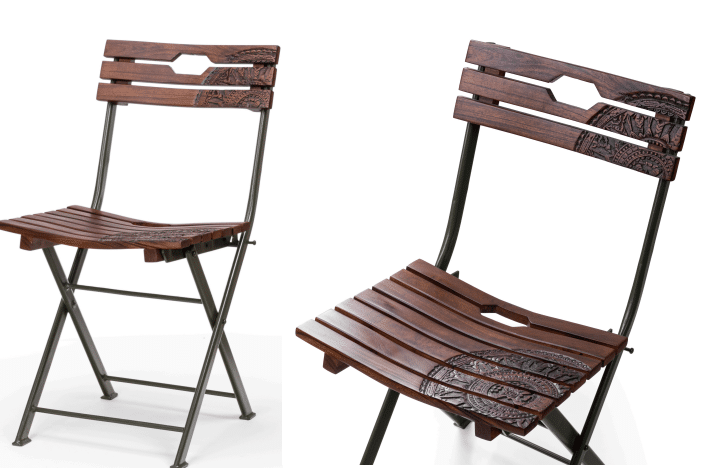
Today, as we face environmental challenges and seek authentic connections to our heritage, Studio Trataka’s continued commitment to preserving tradition is what inspires us to create intricate wood carving patterns for furniture that offer not just aesthetic pleasure but also sustainable livelihoods for numerous Indian artisans. With an exclusive product range deep – rooted in tradition and sustainability, we make our contribution towards a better tomorrow for countless lives. With products like Nakashidar Kursi, which seamlessly blend form with function, we bridge the gap between the authentic artiste and the conscious consumer.
We acknowledge the fact that as business owners, our choices can significantly impact the lives of artisans and the continuity of their crafts. So, by choosing handcrafted wooden items over mass – produced alternatives, we support traditional skills and provide dignified livelihoods. And by uplifting traditional practices and artisans, we not only preserve irreplaceable cultural knowledge but also contribute to a more sustainable and equitable future for the human race as a whole.


